
Controlled Cuts Around Homes and Outbuildings
Tree Trimming in Edinburg for limbs hanging over roofs, driveways, and outbuildings
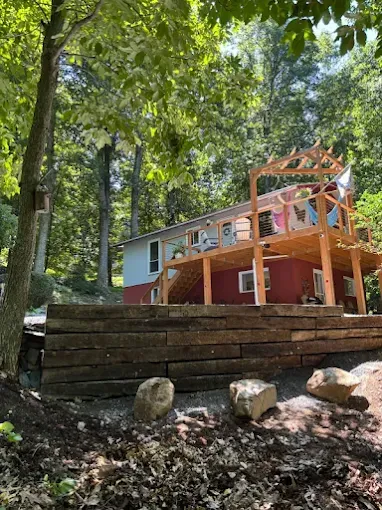
After a proper trim, your roof is clear of overhanging limbs, the driveway has room for a truck, and dead wood is gone from the canopy before it drops. GT Excavation produces that result with in-house climbers who use ropes and harnesses to make precise, controlled cuts near houses and structures. In Edinburg, older homes and outbuildings often sit close to large trees that were planted or left standing decades ago, and those trees need careful pruning rather than heavy topping.
Each job starts with an assessment of the tree to decide which limbs come out: dead, diseased, rubbing, or low-hanging branches. The climber then works from inside the canopy or uses equipment where access allows, lowering cut limbs on ropes so they do not hit the roof, siding, or a fence below. Cuts are made just outside the branch collar, because flush cuts and long stubs leave wounds the tree cannot close.
Book a walk-around with GT Excavation to mark the limbs you want removed.
How Tree Trimming Is Done Correctly
You should know that poor pruning creates more problems than it solves; topping a tree or stripping its interior forces weak sprouts that break off later. Correct trimming removes limbs selectively, keeps the natural shape, and leaves enough live canopy for the tree to stay healthy.
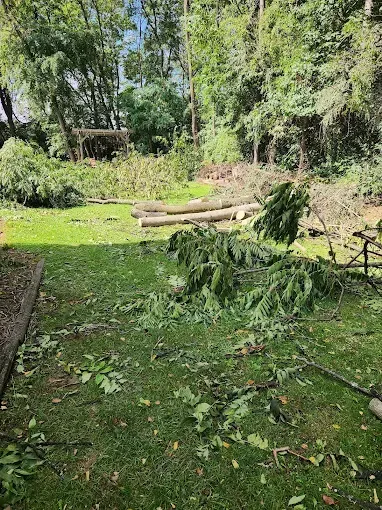
Once the work is finished, you see daylight on the roof and gutters, branches no longer scrape the shingles, and sight lines along the driveway open up. Debris is chipped, stacked, or hauled based on what you want, so the yard is left clear.
Limbs in contact with power lines often require coordination with the utility before cutting, and that is sorted out during the assessment. GT Excavation holds a Class A contractor's license, is licensed and insured, and the owner has worked with trees since childhood.
Answers About How Trees Are Pruned
Most of these questions come from owners of older homes with mature trees growing close to the house or barn.
How does a climber decide which branches to cut?
The climber looks for dead wood, crossing limbs that rub, branches over the roof, and weak attachments, and removes those first.
Why are limbs lowered on ropes instead of dropped?
Lowering a limb on a rope controls where it lands, which keeps it off the roof, porch, or outbuilding beneath the tree.
What is the difference between trimming and topping?
Trimming removes selected limbs at the collar, while topping cuts the main stems back and leads to weak regrowth.
What should you look for in a finished trim?
Cuts should sit just outside the branch collar with no torn bark or stubs, and the canopy should still look balanced.
How do older properties in Edinburg change the approach?
Many Edinburg homes have mature trees within a few feet of the roofline, so climbing with ropes is often the only way to reach limbs without equipment rutting the yard.
GT Excavation also performs tree trimming in Woodstock, Mount Jackson, Strasburg, New Market and Middletown. Have GT Excavation look at the trees closest to your house and lay out a plan for which limbs come out.