
Sites Left Clean and Ready for the Next Phase
Debris hauling in Edinburg for sites with demolition waste, tree material, or construction cleanup that needs proper removal
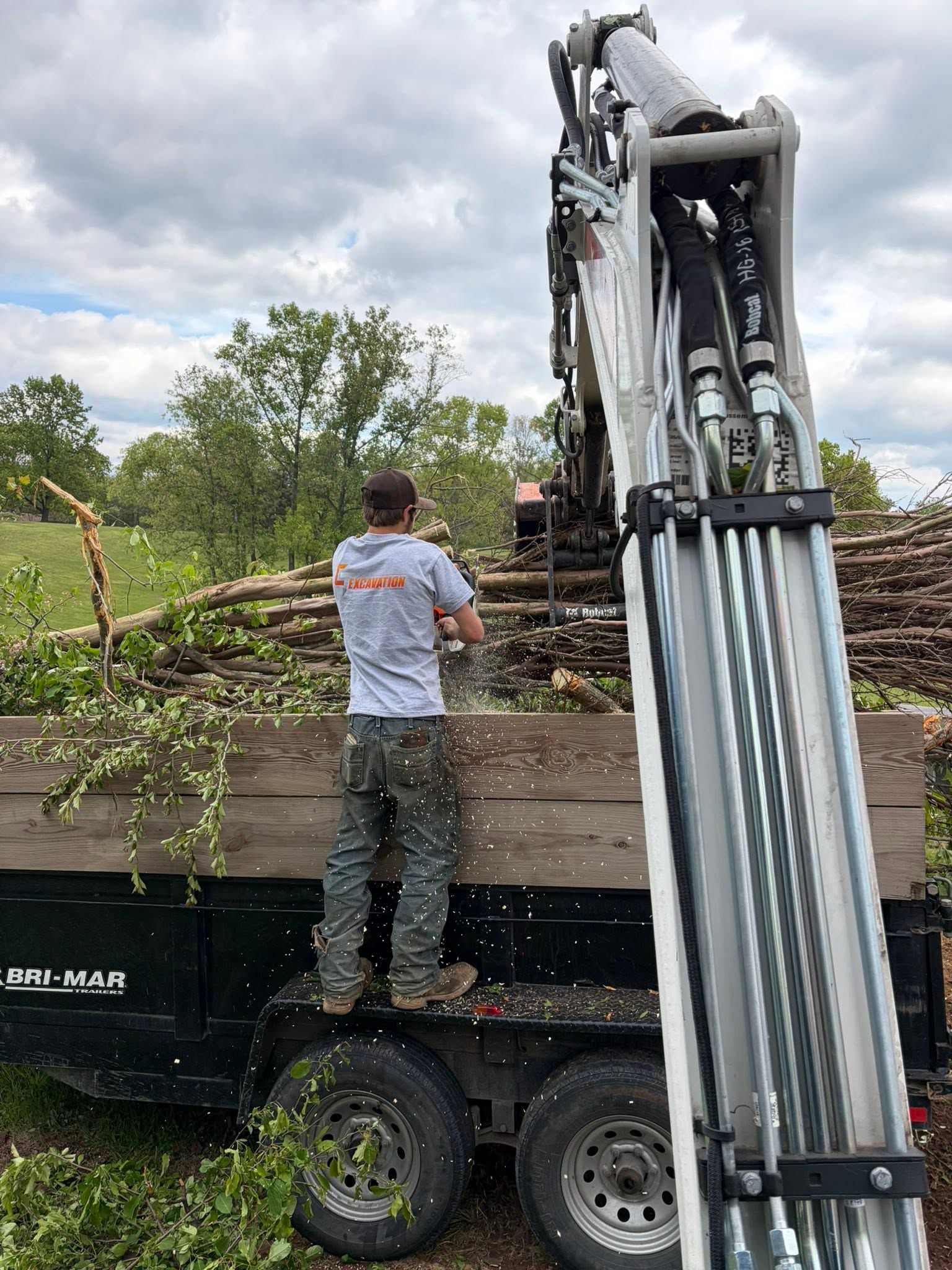
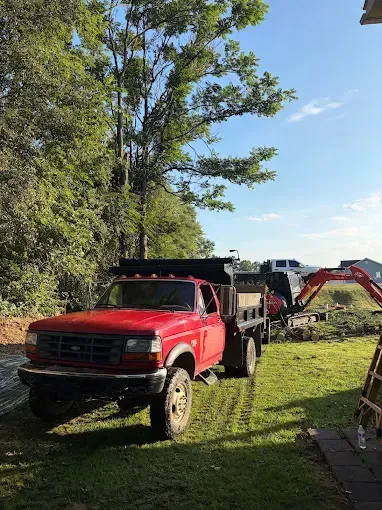
Demolition debris, cut tree sections, concrete rubble, and general site waste do not move themselves—and leaving material staged on a property stalls every phase of work that follows. GT Excavation loads and hauls debris from residential, agricultural, and commercial sites throughout the Shenandoah Valley, coordinating disposal with established waste facilities in the region. Whether the material comes from tree removal, structure demolition, or land clearing, the crew manages the loading, transport, and drop-off so the property is clear and workable when hauling is complete.
The hauling process involves material sorting on site—separating clean wood waste, concrete, metal, and mixed debris—because different facilities accept different material streams, and proper separation prevents rejection at the disposal site. GT Excavation's owner coordinates debris hauling on all of the company's own tree removal and demolition jobs, which means the logistics for sorting, loading, and disposal are built into the crew's standard workflow rather than figured out on site.
Request a free estimate for your site cleanup to understand the scope, material volume, and the number of hauls required to clear it.
What Proper Site Cleanup Actually Involves
Effective debris removal is not simply loading a truck—it requires identifying what type of material is present, whether any of it can be recycled or requires special handling, and how to stage the loading sequence so the crew works efficiently without cross-contaminating material streams. On sites where tree waste is mixed with construction debris or soil, those materials often need to be separated before transport because recycling facilities that accept clean wood cannot accept material blended with concrete or metal.
After hauling is complete, the visible result is a site with cleared ground, no staged debris piles, and no material obstructing access for grading equipment, building crews, or property use. GT Excavation's established relationships with disposal facilities across the Shenandoah Valley region mean material is directed to appropriate sites rather than generic landfill when recycling options exist for the material type present on your property.
Debris hauling is frequently scheduled as a direct follow-on to tree removal or demolition work completed by the same crew, eliminating the need to coordinate a separate contractor for cleanup. On larger land preparation projects, gravel delivery and topsoil placement can be added after debris removal so the site transitions directly from cleanup to prepared ground.
Common Questions About Debris Hauling and Site Cleanup
The questions below address the practical aspects of debris removal—what the crew handles, how material is sorted, and what the site looks like when the work is finished on properties across Edinburg.
What types of debris does GT Excavation haul away from a property?
The crew hauls demolition waste, tree sections and brush, concrete and masonry rubble, construction material scraps, and general site cleanup material. Mixed loads are sorted on site before transport to match disposal facility requirements for each material type.
How does material sorting affect the hauling process?
Different disposal and recycling facilities accept specific material streams, and arriving with mixed loads that do not meet facility standards results in rejection and extra return trips. Sorting material on your site before loading keeps the disposal process efficient and prevents unnecessary delays.
Why should debris removal happen before grading or landscaping begins?
Material piles staged on the ground compress and shift the soil beneath them, creating uneven areas that complicate grading. Debris left in place also limits where equipment can operate safely, which slows every subsequent phase of site work.
How is the volume of a debris haul estimated before the job starts?
Volume is assessed by walking the site and identifying the material type, pile dimensions, and access for loading equipment. Concrete and masonry weigh significantly more per cubic yard than wood or brush, so the material composition affects truck capacity and the number of loads required more than the visual pile size alone.
What does the site look like after debris hauling is finished?
The cleared area shows open ground without piles, loose material, or debris obstructions. If grading is planned to follow, the surface is accessible to equipment across the full project footprint rather than navigating around staged material.
GT Excavation also handles debris hauling in Woodstock, Mount Jackson, Strasburg, New Market, and Middletown. To get a free estimate for your site in Edinburg, call GT Excavation at (540) 325-3806 and describe the material type and volume on your property.