
Building Starts with What Happens Underneath
Site preparation in Edinburg for new construction, land development, and properties that need a stable, work-ready base
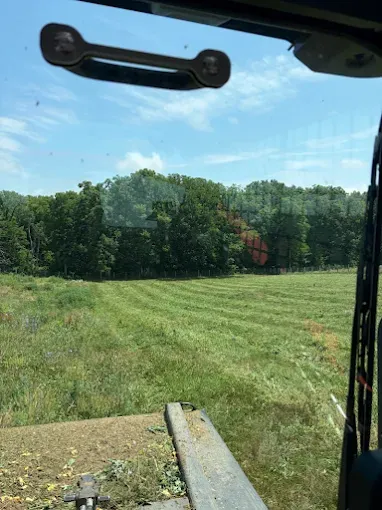
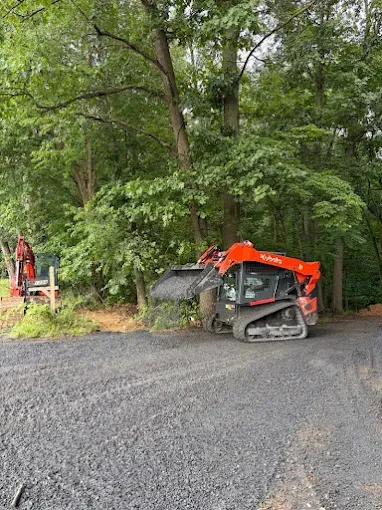
Properties in and around Edinburg present a range of starting conditions—some are raw land with dense vegetation and uneven terrain, others are agricultural parcels transitioning to residential or commercial use, and others carry remnants of prior structures or utility runs that affect what can be built and where. Site preparation addresses all of those conditions before construction begins. GT Excavation evaluates what's present, selects the right equipment for the scope, and works through clearing, grading, and earthmoving in a planned sequence that gives the next phase of the project a solid starting point.
That sequence matters because site prep isn't a single task—it's a coordinated series of steps where each phase sets up the one that follows. Clearing before grading prevents vegetation from interfering with grade accuracy; grading before excavation ensures that foundation cuts start from the correct elevation; utility trenching is timed so conduit and pipe placement doesn't require redoing finished areas. The owner of GT Excavation brings both farming and excavation experience to that planning process, which means the approach accounts for how land actually behaves under equipment load and over time—not just how it looks on a plan sheet.
Set up a property walkthrough to identify your site's starting conditions and what preparation it needs before construction can begin.
What Complete Site Preparation Covers
Full site preparation typically includes some combination of vegetation removal, rough grading, cut and fill earthwork, and utility trench preparation—and which of those are needed depends entirely on what the property presents and what's going on top of it. GT Excavation evaluates each site before proposing an approach, because applying a standard scope to an unusual property creates gaps that show up as delays and rework once the building contractor arrives. Equipment selection follows from that evaluation: the right machine for a tight residential lot is different from what's appropriate on an open agricultural parcel with significant material to move.
A properly prepared site has a finished surface that sits at the correct elevation, drains away from the planned structure, and gives foundation contractors or paving crews a working area that doesn't require additional manipulation before they can start. GT Excavation leaves each site in that condition—with disturbed areas stable, spoil material managed, and access points maintained for the trades that follow.
Site preparation is distinct from the construction that follows it, but mistakes made at this stage affect everything built afterward. An improperly graded pad causes drainage problems that surface months into occupancy; a poorly timed utility trench forces backtracking by multiple trades. The planning done upfront—during the property evaluation and equipment selection phase—is what prevents those outcomes.
Questions Before Starting Your Project
The questions below address how site preparation is scoped and executed, what decisions are made during the work, and how the finished condition supports what gets built next.
How is the scope of site preparation determined for a specific property?
The property evaluation identifies existing conditions—vegetation, grade, soil stability, utility locations—and the planned end use, and those two factors together determine which preparation tasks are needed and in what order.
What happens when a site has remnants of prior structures or buried utility runs?
Existing foundations, old pipe runs, and buried debris are identified during the evaluation and factored into the excavation and grading plan so they don't interfere with new construction or create voids beneath the finished grade.
How does equipment selection affect site prep quality on Shenandoah Valley properties?
Oversized equipment on soft or sloped ground creates compaction and rutting that has to be repaired before grading can be finished—matching machine size to site conditions is a planning decision that protects the work already done.
What does a finished, construction-ready site actually look like?
The building pad is at the specified elevation and within grade tolerances, drainage moves away from the structure footprint, utility conduits are in place and marked, and no loose or disturbed material remains that would settle under load.
Why does the order of site preparation steps matter to the trades that follow?
Foundation contractors need a graded, stable surface before they can lay out; rough-in plumbers need trench locations finalized before grading closes out—sequencing site prep around those dependencies prevents rework and scheduling conflicts.
GT Excavation also handles site preparation in Woodstock, Mount Jackson, Strasburg, New Market, and Middletown. To talk through what your property's starting conditions require and how the work will be approached, call GT Excavation at (540) 325-3806.