Structures Taken Down With Permits and Utility Coordination
Building demolition in Edinburg for residential, farm, and commercial structures requiring county permitting and utility disconnection
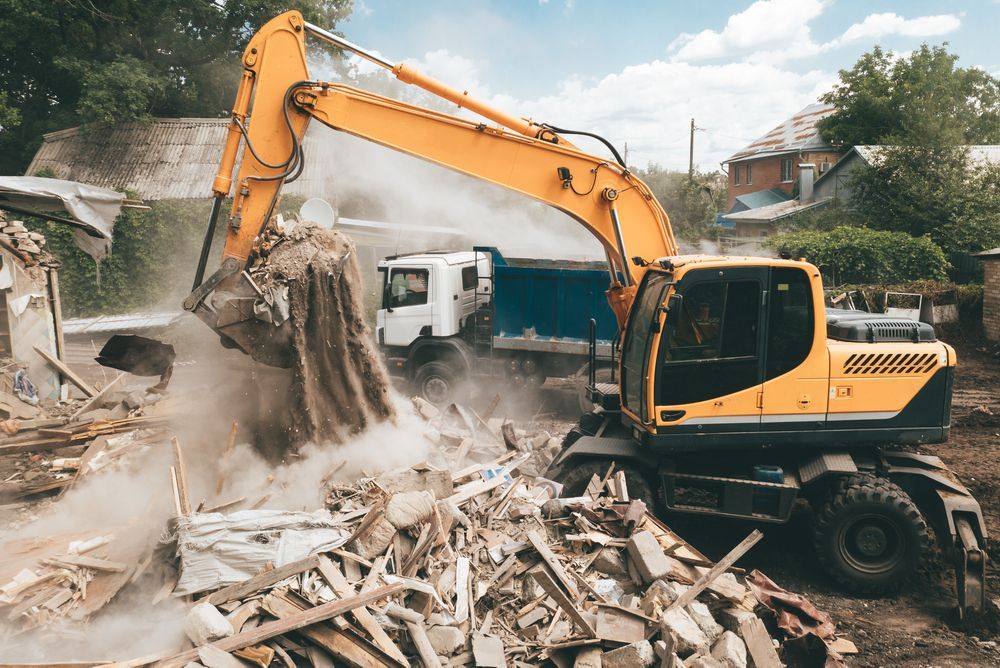
What separates safe demolition from dangerous work is the sequence: permits before equipment arrives, utilities physically disconnected before structural work begins, and debris properly sorted and disposed of after the structure is down. GT Excavation manages full building and house demolition in Edinburg and throughout the Shenandoah Valley, handling county permit applications, utility coordination through 811 and service providers, structural removal, and site cleanup as an integrated process rather than leaving the property owner to coordinate separate contractors for each phase.
County permit applications and required inspections come first—no structural work begins until the permit is issued and utilities are confirmed disconnected by the service providers, not just marked. The 811 call identifies underground utility locations, but physical disconnection by the utility company is what actually eliminates the hazard before demolition equipment contacts the structure. That sequencing is non-negotiable on any properly managed demolition job and applies whether the structure is a small outbuilding or a full residential house.
Arrange an on-site consultation to review the structure, the permitting requirements for your county, and the utility disconnection timeline before scheduling demolition work.
The Difference Between Managed Demolition and Tear-Down Work
Demolition that skips or compresses the permit and utility phase creates hazards that are not always visible until equipment is already in contact with the structure. Gas lines, buried electrical service, and water supply connections that appear disconnected from the outside may still be live at the point where the structure meets the ground. GT Excavation's process requires physical disconnection confirmation from service providers before structural removal begins—a standard that protects the crew, the equipment, and the surrounding property from the most common demolition injuries and incidents.
After the structure is removed, what you see is cleared ground: no standing walls, no foundation remnants above grade unless retained by design, and no debris staged on the property. The same crew that handles the structural removal manages debris hauling and site grading, so the cleared area is workable for construction, agricultural use, or property improvements without a staging gap between demolition and cleanup.
Shenandoah Valley properties include a mix of residential homes, farm outbuildings, and older commercial structures, and the permitting and inspection requirements vary by structure type and county. GT Excavation handles the permit application process as part of the demolition scope rather than placing that coordination on the property owner, which matters particularly for older farm structures where the permit requirements may be less familiar to property owners who have not recently dealt with county building departments.
What Property Owners Ask Before Hiring a Demolition Contractor
These questions focus on how demolition is actually performed—the permitting sequence, utility coordination, and what distinguishes a contractor who manages the full process from one who only handles the structural removal itself.
What permits are required before a building can be demolished in Edinburg?
Demolition in Shenandoah County requires a county demolition permit, and inspections may be required before and after structural removal depending on the structure type and size. GT Excavation handles the permit application as part of the project rather than transferring that responsibility to the property owner.
How are utilities handled before demolition work begins?
The process involves an 811 underground utility locate call to mark buried lines, followed by physical disconnection of gas, electric, water, and sewer services by the respective utility companies. Work does not begin until disconnection is confirmed—marking alone does not eliminate the hazard when equipment contacts the structure at grade.
What types of structures does GT Excavation handle for demolition?
The crew takes down full residential houses, farm outbuildings, garages, small commercial structures, and accessory buildings. The same permitting and utility coordination process applies regardless of structure size, because the hazards present in a small outbuilding are structurally similar to those in a larger building.
How is debris handled after a structure is demolished?
All structural material—framing, roofing, masonry, and mechanical components—is loaded and hauled to appropriate disposal facilities. Material that qualifies for recycling, such as clean metal, is separated from mixed construction waste and directed to recycling rather than landfill when volume justifies the sort.
What site condition remains after demolition and debris removal are complete?
The cleared area shows open ground at grade, accessible to grading equipment and construction crews without debris obstructions. If site grading is needed to prepare for new construction or landscaping, that work can be scheduled as the next phase immediately following debris removal.
GT Excavation also performs demolition in Woodstock, Mount Jackson, Strasburg, New Market, and Middletown. To discuss a structure on your property in Edinburg, call GT Excavation at (540) 325-3806 to walk through the permit requirements and utility disconnection timeline for your specific project.