
Leaning Trees Taken Down Piece by Piece
Hazardous Tree Removal in Edinburg for trees leaning toward houses, barns, or power lines
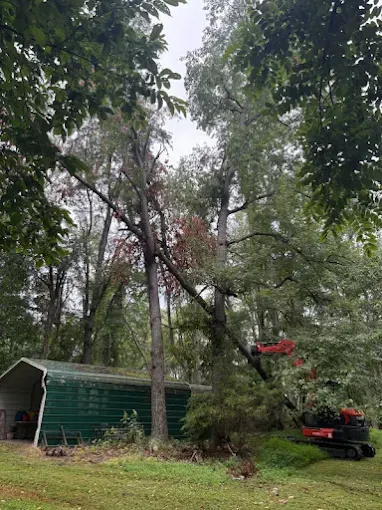
Many properties in Edinburg pair an older farmhouse or outbuildings with dense tree growth that was allowed to crowd in close over the years, leaving large trees within reach of roofs and sheds. GT Excavation removes hazardous trees in these settings, including trees touching or leaning toward structures, using in-house climbers and rope techniques to control how each piece comes down. You need this once a tree is dead, cracked at the base, or leaning over a building, and what you notice afterward is the threat gone without a new dent in the roof.
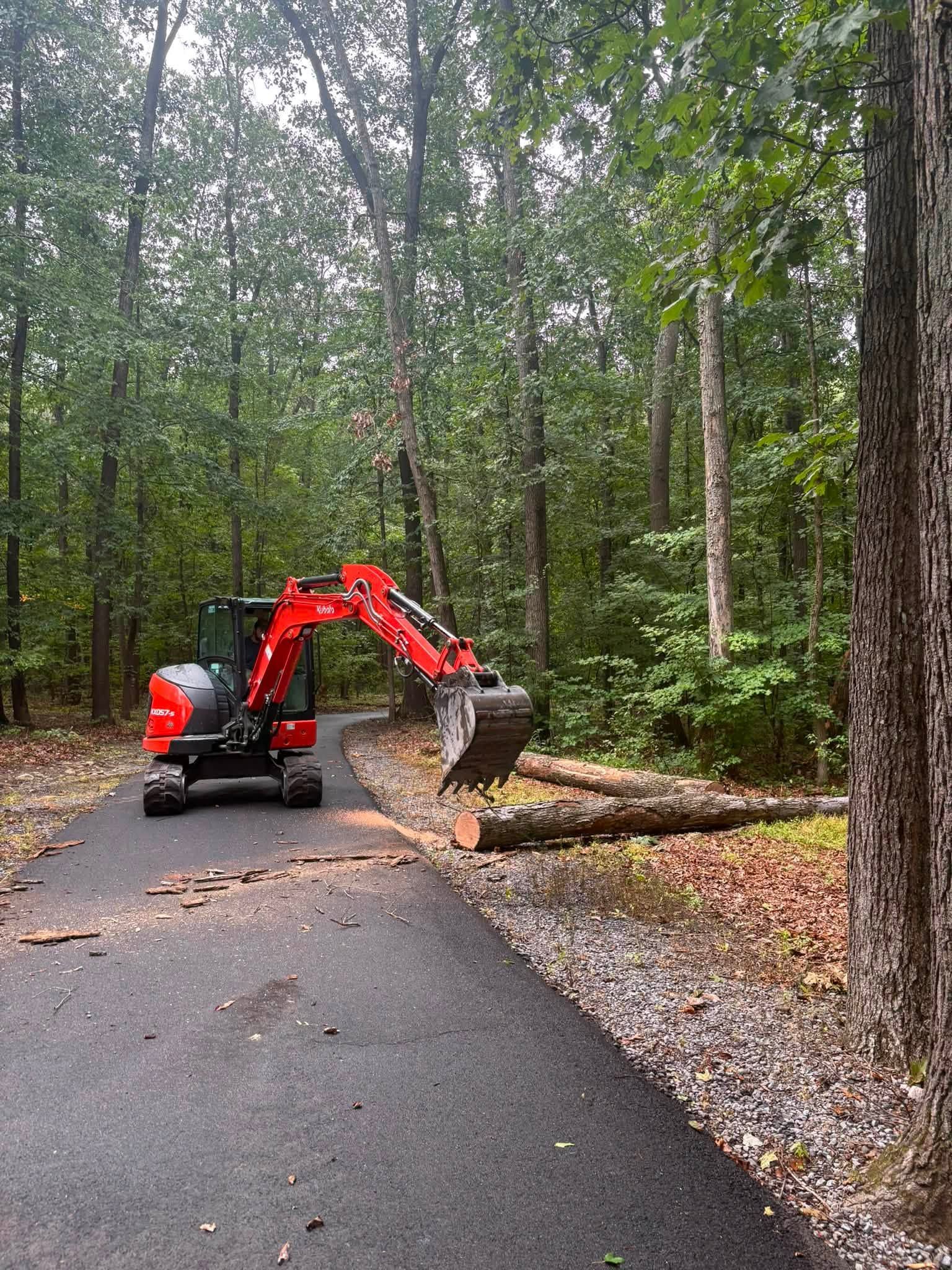
The work starts with an assessment of the tree's position relative to structures, power lines, and other obstacles. Rather than dropping the whole tree, climbers work from inside the canopy, cutting sections and lowering them on ropes so the direction and speed of each piece is controlled. Full debris removal is included, so the wood, brush, and chips leave with the crew.
Ask GT Excavation to assess the tree that worries you and explain how it would come down.
Why Rope Rigging Works for Trees Near Structures
You cannot fell a tree in one piece when a house or barn sits in the drop zone, so the removal is broken into steps. Limbs come off first, then the trunk is taken down in lengths, each one tied off and lowered to open ground.
When the job is done, the leaning trunk is gone, the roof and siding beneath it are untouched by the removal, and the debris is cleared from the yard. GT Excavation works directly with insurance companies on claims where a tree has fallen on or is touching a house, and handles the paperwork as needed.
Stump grinding and site grading are separate decisions from the removal itself. The company has also carried out full house demolitions with utility coordination and county permits, which matters when a tree is tangled with a structure that may need to come down too.
What Owners Ask Before a Risky Removal
Older properties with mature trees close to buildings bring up most of these questions.
What signs suggest a tree is hazardous?
Look for a lean that is getting worse, cracks in the trunk, dead limbs in the upper canopy, fungus at the base, or roots lifting on one side.
How is the fall controlled near a house?
Climbers cut the tree in sections and lower each one on rope rigging, so no piece swings into the structure.
Why does a power line change the approach?
Lines near the tree limit where cuts and lowering can happen, and the utility may need to be involved before work begins near energized wires.
What is included in the removal itself?
The tree is taken down and the wood and brush are cleared away, while stump grinding is a separate step you can choose.
How do older Edinburg properties affect the removal plan?
Older Edinburg farmhouses and outbuildings often sit only steps from big trees, which leaves little open ground for lowering sections and shapes the rigging plan.
GT Excavation also performs hazardous tree removal in Woodstock, Mount Jackson, Strasburg, New Market and Middletown. Arrange a site visit with GT Excavation so the tree, the structures around it, and any insurance details can be reviewed together.