
Stable Ground Starts with Accurate Grading
Grading in Edinburg for level building areas, corrected water flow, and site preparation before construction
A site that looks flat from the road can still carry enough slope variation to cause water to pool against a foundation, push runoff toward a neighboring property, or leave a building pad that isn't level within construction tolerances. GT Excavation performs grading work in Edinburg using laser leveling and poly rakes to shape land accurately—not by eye and not by guesswork. These tools produce measurable results: a surface that drains where it's supposed to, supports what gets built on it, and doesn't shift the problem to a different part of the property.
The grading process begins with a plan developed for the specific site rather than a standard template applied to every job. Laser leveling identifies existing elevation across the area, which determines how much material needs to move and in what direction. Poly rakes follow to finish the surface to the required grade without overworking soil that needs to remain stable. On residential and agricultural sites across the Shenandoah Valley, the combination of those two tools produces a finished surface that holds its grade rather than settling unevenly after the first heavy use.
Schedule an on-site review to establish what grade tolerances your project requires and what the existing surface needs to get there.
Why the Right Tools Produce a Different Result
Grading done with laser leveling produces a verifiable surface—the equipment reads real elevation data and guides cuts and fills to match the plan rather than relying on visual approximation. That precision matters most when a building pad needs to meet a foundation contractor's tolerance, or when drainage must flow consistently across a large agricultural area where minor high spots create standing water. The poly rake finish step is what closes out the work: it consolidates the surface without over-compacting the soil, leaving material that accepts seeding, paving, or construction without further manipulation.
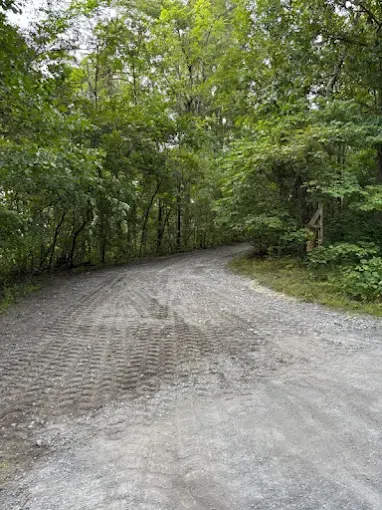
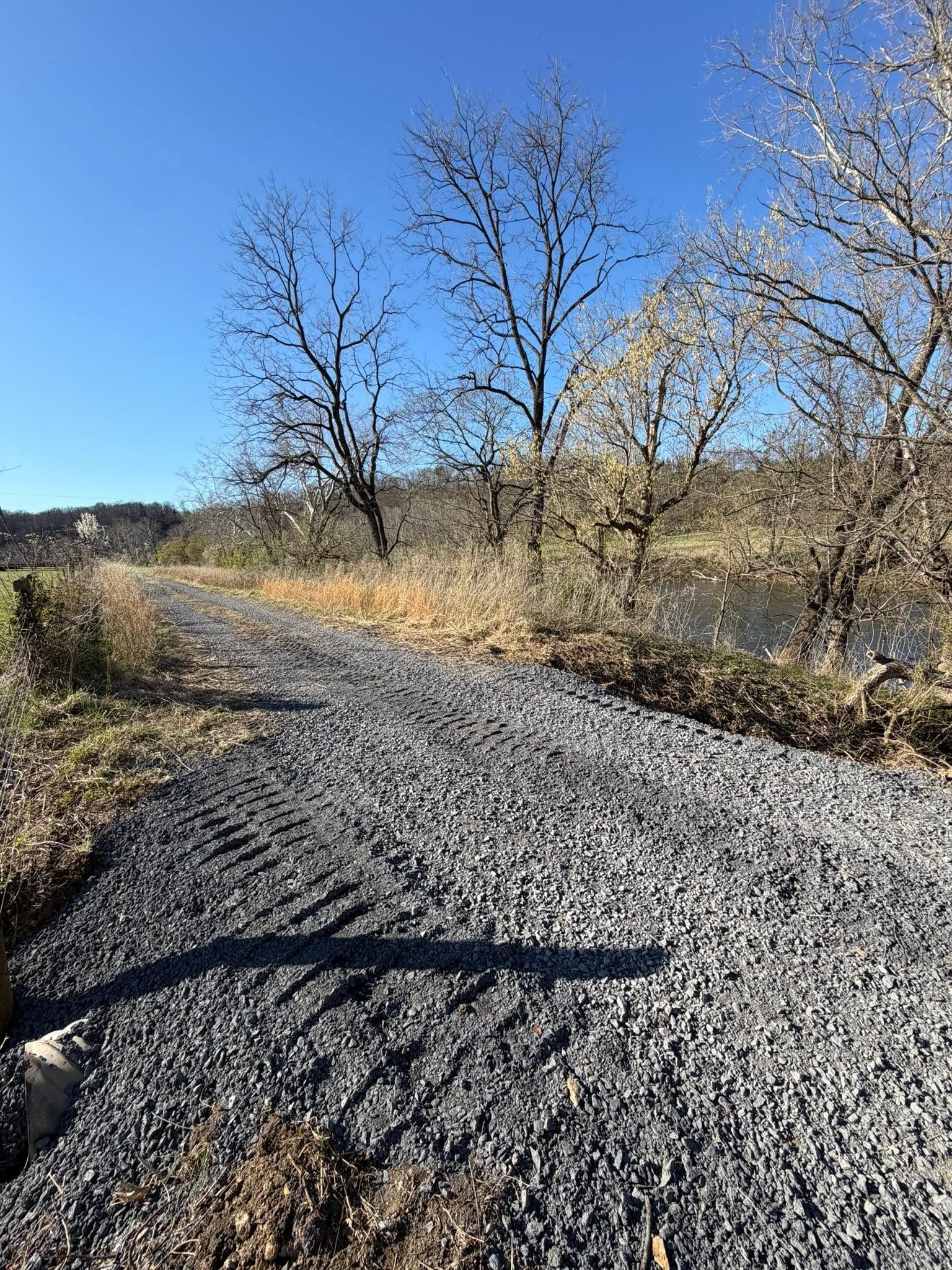
When the grading is complete, you'll notice a surface that reads as uniformly sloped or level depending on what the project required—no visible high spots, no low areas where water collects, and edges that transition cleanly to surrounding ground rather than dropping off abruptly. GT Excavation has applied this approach to both residential construction sites and agricultural parcels where post-grading performance directly affects how the land gets used.
Grading often sits between clearing and construction—after vegetation is removed but before concrete is poured or building begins. Understanding where it falls in the project sequence helps other trades plan their work and avoids rework caused by a surface that wasn't properly prepared before they arrived.
Answers About How the Grading Work Is Done
The questions below focus on the grading process itself—how the surface is shaped, what tools are used, and what determines whether the result will perform over time.
How does laser leveling improve grading accuracy compared to conventional methods?
Laser leveling reads actual elevation data across the site and guides equipment cuts and fills to match specified grades—this removes the visual approximation that leaves high spots and low areas a manual approach misses.
What role do poly rakes play in finishing a graded surface?
Poly rakes consolidate the surface after bulk earthmoving, smoothing material to the finished grade without over-compacting soil that needs to accept seeding, paving, or a concrete pour.
How is a grading plan developed for a specific site in Edinburg?
The plan is built from the existing elevation of the site, the required finished grade, and what the land will be used for—a building pad has tighter tolerances than a drainage swale, and the plan reflects those differences.
When in the project sequence does grading typically occur?
Grading follows clearing and any rough excavation but precedes construction, paving, or seeding—completing it in the right order prevents other trades from working on a surface that still needs to move.
What should a properly graded surface look like before construction begins?
The surface should drain visibly toward the intended direction, sit within the elevation tolerances required by the foundation or paving plan, and show no loose or over-disturbed areas that will settle differently from the surrounding grade.
GT Excavation also performs grading in Woodstock, Mount Jackson, Strasburg, New Market, and Middletown. To discuss what your site requires and how the grading plan will be developed, call GT Excavation at (540) 325-3806.